Claude Opus 4.6 API - Advanced Reasoning AI Model Access

Bring Anthropic's Claude Opus 4.6 into your product through SmartAPI. Built for extended thinking, complex reasoning, and structured coding tasks, it handles long context and multi-step problems while keeping API access stable and predictable for real applications.
What Makes Claude Opus 4.6 Stand Out
Claude Opus 4.6 focuses on depth of reasoning and reliable output. Through SmartAPI you can call these capabilities directly in your own tools and workflows.
Extended Thinking Mode: The model can work through problems step by step before answering, which helps with multi-step logic, planning, and questions that need careful analysis rather than a quick reply.
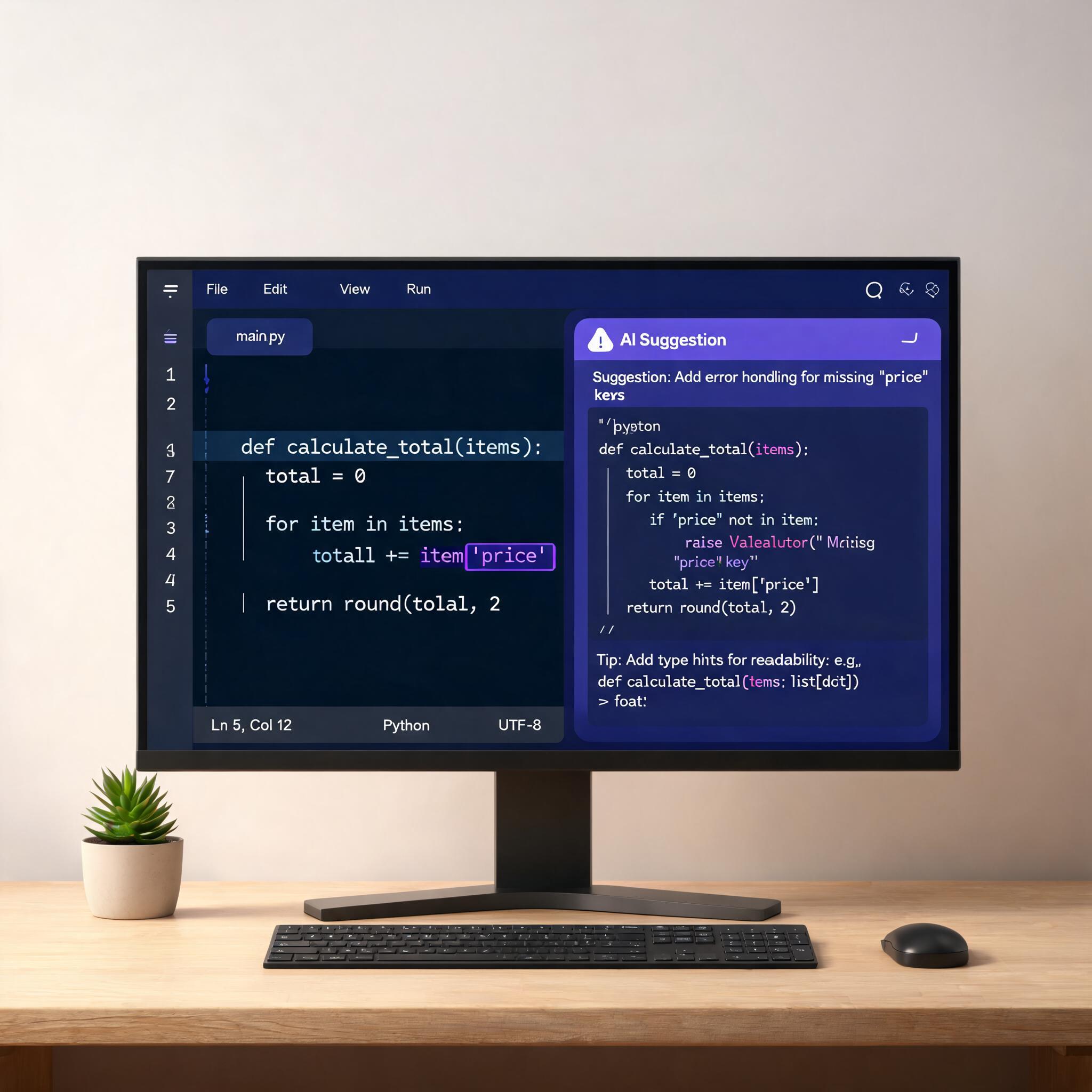
Strong Coding Support: Generate, explain, refactor, and debug code across common languages. Opus 4.6 is well suited for larger tasks like reviewing files, drafting functions, and reasoning about how pieces fit together.
Long-Context Understanding: Feed in lengthy documents, transcripts, or codebases and get responses that keep track of earlier context, so you can summarize, analyze, or answer questions over large inputs.
Structured, Reliable Output: Ask for JSON, tables, or specific formats and the model follows instructions closely, which makes it easier to plug responses straight into downstream systems.
Nuanced Writing and Analysis: From drafting long-form content to reviewing arguments, Opus 4.6 produces clear, considered text and can adapt tone, depth, and style to your prompt.
Simple API Integration: Call Claude Opus 4.6 through a standard SmartAPI request and get responses you can wire into chatbots, agents, and automation without managing model infrastructure yourself.
What Is Claude Opus 4.6?
Claude Opus 4.6 is Anthropic's advanced large language model designed for demanding reasoning, coding, and analysis work. It belongs to the Claude family and is built to think through complex problems, with an extended thinking capability that lets it reason more deliberately before responding. Through SmartAPI, developers and teams can access Claude Opus 4.6 with a straightforward API call instead of building and hosting model infrastructure. That makes it a practical choice for products that need dependable natural language understanding, whether you are building an assistant, automating document analysis, generating and reviewing code, or running long-context tasks over large inputs. The model handles instructions carefully and can return well-structured output, so its responses fit cleanly into real applications and automated pipelines.

How to Use the Claude Opus 4.6 API
Write Your Prompt or Task
Open the SmartAPI console and describe what you need, from a coding request to a document to analyze or a reasoning question. Add any context or format instructions the model should follow.
Send the Request to Claude Opus 4.6
Call the Claude Opus 4.6 API with your prompt. Enable extended thinking when a task benefits from deeper step-by-step reasoning, or keep it standard for faster responses.
Review and Use the Output
Read the response, refine your prompt if needed, and integrate the result into your app, workflow, or product through the same API endpoint.
Lower API Costs, More Stable Model Access
SmartAPI helps developers and teams reduce Claude Opus 4.6 usage costs while keeping model access reliable for real applications, automation workflows, and production integrations.
Exclusive API Discount
Get competitive SmartAPI pricing for Claude Opus 4.6 so repeated model calls stay affordable. It suits developers, startups, and teams that need cost-efficient access for testing, scaling, and long-term integration.
- 1Lower API usage cost
- 2Flexible plans for teams
- 3Cost-efficient model access
Stable API Performance
SmartAPI is built for reliable Claude Opus 4.6 access, helping your applications stay responsive and consistent. Use stable API performance for assistants, agents, automation systems, and production-ready products.
- 1Stable API response experience
- 2Reliable access for production use
- 3Optimized for continuous workflows
What You Can Do With Claude Opus 4.6
From engineering to research, Claude Opus 4.6 supports tasks that need careful reasoning and clear output. Here are common ways teams put it to work through SmartAPI.



Who Is Claude Opus 4.6 For?

Developers and Engineering Teams
Teams building assistants, agents, and coding tools use Claude Opus 4.6 for reliable reasoning and code generation through a single API, without hosting the model themselves.

Startups and Product Builders
Early teams that need capable AI without heavy infrastructure rely on cost-efficient SmartAPI access to ship reasoning and content features quickly.

Researchers and Analysts
People who work with large documents and complex questions use extended thinking and long-context support to summarize, compare, and reason over dense material.
What Users Say About Claude Opus 4.6
Trusted by developers and teams
Handles complex reasoning well
The extended thinking mode makes a real difference on multi-step tasks. I use it for planning features and it walks through the tradeoffs clearly before landing on an answer.
Daniel R.
Backend Engineer
Great for code review
I pass in larger files and it keeps track of context better than what I used before. The refactoring suggestions are usually practical and easy to apply.
Priya S.
Full-Stack Developer
Reliable API access
Integrating through SmartAPI was straightforward and responses have stayed consistent in our production workflow, which is what we needed most.
Marcus L.
Startup CTO
Strong at long documents
We summarize long research material and it holds the thread across the whole input. The summaries are accurate and save our team a lot of reading time.
Elena K.
Research Analyst
Cost-efficient for testing
The SmartAPI pricing let us experiment freely without worrying about every call. It made prototyping our assistant much easier during early development.
Tom H.
Indie Developer
Clean structured output
When I ask for JSON it follows the format closely, so wiring responses into our pipeline needed very little extra handling. That reliability matters for automation.
Sofia M.
Automation Engineer