Claude Opus 4.8 API - Deep Reasoning Model Access Online

Bring Anthropic's Claude Opus 4.8 into your product through SmartAPI. Tap into extended thinking for hard problems, long-document analysis, and structured coding tasks, all behind one stable API endpoint you can call at scale.
Key Features of the Claude Opus 4.8 API
Claude Opus 4.8 is Anthropic's high-capability model built for careful reasoning and dependable output on complex work.
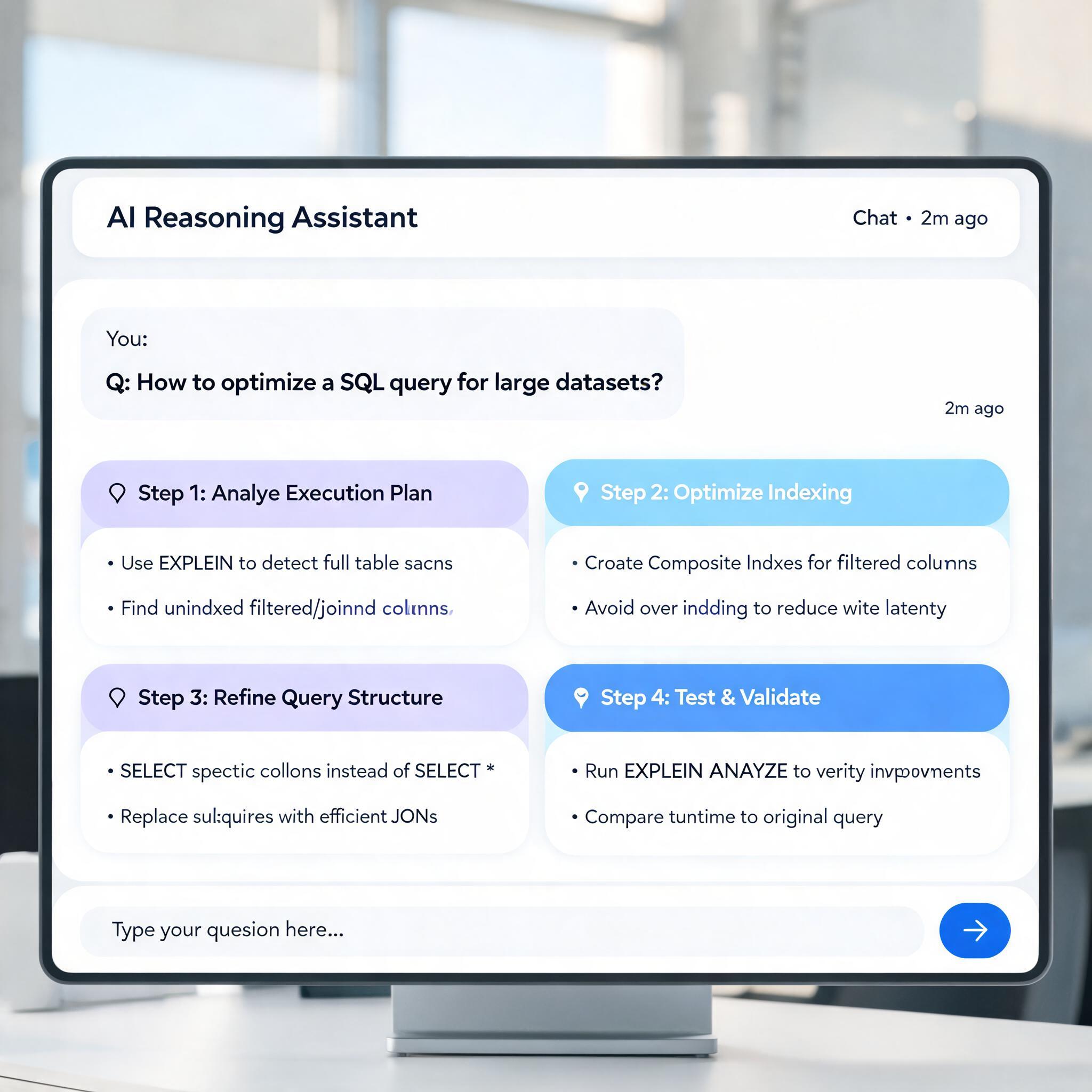
Extended Thinking Mode: Claude Opus 4.8 can work through multi-step problems with a deliberate reasoning process, making it a strong fit for analysis, planning, and tasks where the path to the answer matters as much as the answer itself.
Long-Context Understanding: Feed in long documents, codebases, or transcripts and let the model keep track of details across the full input, so summaries and answers stay grounded in the source material.
Reliable Coding Support: Use Claude Opus 4.8 to draft functions, explain unfamiliar code, and reason about refactors. Its structured responses make it practical for integration into developer tools and assistants.
Structured, Instruction-Following Output: The model follows detailed instructions and formatting requests closely, which helps when you need consistent JSON, tables, or step-by-step responses inside an automated pipeline.
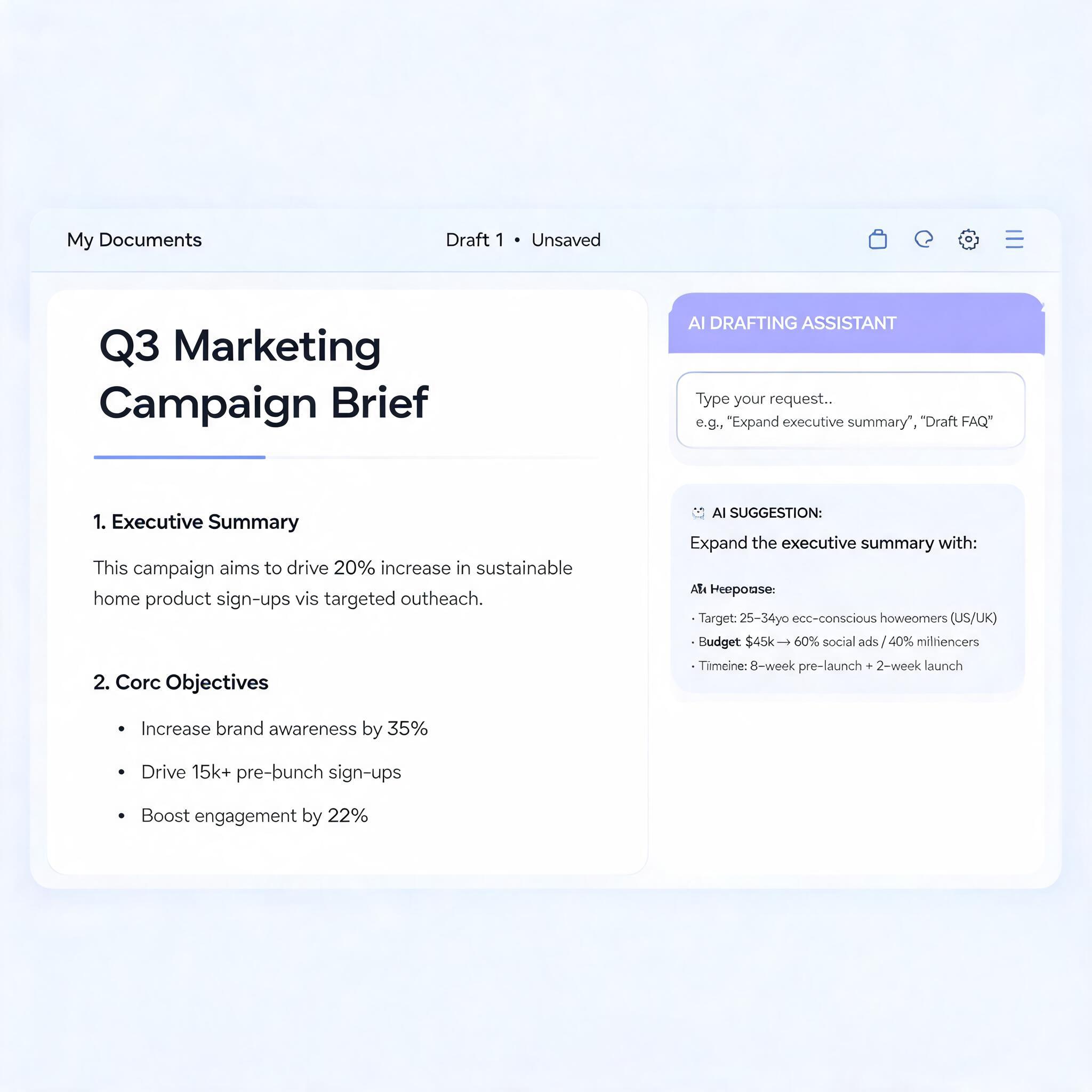
Nuanced Writing and Editing: From technical documentation to clear product copy, Claude Opus 4.8 handles tone and context well, giving you drafts that need less rewriting before they are ready to ship.
Single Endpoint via SmartAPI: Call Claude Opus 4.8 through the same SmartAPI interface you use for other models, so switching or testing models means changing a parameter rather than rebuilding your integration.
What Is the Claude Opus 4.8 API?
Claude Opus 4.8 is Anthropic's Opus-tier large language model, designed for demanding tasks that reward careful, extended reasoning. The Claude Opus 4.8 API on SmartAPI gives you programmatic access to that capability without managing your own model infrastructure. Instead of running heavy models yourself, you send a prompt to a single endpoint and receive a response you can drop straight into an app, agent, or workflow. Teams reach for Opus-tier models when the work is genuinely hard: interpreting long documents, reasoning across many constraints, drafting and reviewing code, or producing writing that needs to hold up under scrutiny. With its thinking-oriented behavior, Claude Opus 4.8 is aimed at exactly those cases. Accessing it through SmartAPI keeps setup simple and lets you compare it against other models behind one consistent integration.

How to Use the Claude Opus 4.8 API
Write Your Prompt or Task
Describe what you need in plain language, from a coding request to a long-document analysis. Add any context, constraints, or output format you want the model to follow.
Send the Request to SmartAPI
Call the SmartAPI endpoint with Claude Opus 4.8 selected as the model. Enable extended thinking when your task benefits from step-by-step reasoning before the final answer.
Review and Use the Output
Read the response, iterate on your prompt if needed, and pass the result into your app, agent, or workflow. Consistent formatting makes the output easy to parse and reuse.
Lower API Costs, More Stable Model Access
SmartAPI helps developers and teams cut Claude Opus 4.8 API usage costs while keeping model access stable for real-world apps, automation workflows, and production integrations.
Exclusive API Discount
Get competitive SmartAPI pricing on repeated Claude Opus 4.8 calls, so heavier reasoning workloads stay affordable. It suits developers, startups, and teams that need cost-efficient access for testing, scaling, and long-term integration.
- 1Lower API usage cost
- 2Flexible plans for teams
- 3Cost-efficient model access
Stable API Performance
SmartAPI is built for reliable access to Claude Opus 4.8, helping your applications stay responsive and consistent across sessions. Depend on stable performance for chatbots, internal tools, automation systems, and production products.
- 1Stable API response experience
- 2Reliable access for production use
- 3Optimized for continuous workflows
What You Can Do With the Claude Opus 4.8 API
From reasoning-heavy analysis to coding and writing, Claude Opus 4.8 supports a wide range of practical builds.


Who Is the Claude Opus 4.8 API For?

Developers and Engineering Teams
Engineers who need a strong reasoning and coding model behind a single, stable API can integrate Claude Opus 4.8 into tools, agents, and backend workflows without managing model infrastructure.

Startups and Product Builders
Small teams shipping AI features want capable output at a predictable cost. SmartAPI access to Claude Opus 4.8 lets them prototype quickly and scale as usage grows.

Researchers and Analysts
People who work with long documents and complex questions can use extended thinking to summarize, compare, and reason across dense material with grounded, structured responses.
What Users Say About the Claude Opus 4.8 API
Trusted by developers and teams building with SmartAPI
Solid for hard reasoning tasks
We moved our analysis assistant to Claude Opus 4.8 and the step-by-step reasoning is noticeably more reliable on tricky questions. Setup through SmartAPI took an afternoon.
Daniel R.
Backend Engineer
Great for long documents
It keeps track of details across long reports better than what we used before. Summaries stay grounded in the actual text instead of drifting.
Priya S.
Research Analyst
Coding help that follows instructions
The output format is consistent, so parsing it in our pipeline is painless. It follows detailed prompts closely, which saves a lot of cleanup.
Marcus L.
Full-Stack Developer
Easy to swap models
Because it runs through the same SmartAPI endpoint, testing Claude Opus 4.8 against other models was just a parameter change. That made evaluation quick.
Elena K.
ML Engineer
Reliable in production
Responses stay consistent across sessions and the access has been stable for our automation jobs. That reliability is why we kept it in our stack.
Tom H.
Product Engineer
Good value for the capability
For a model at this tier, the SmartAPI pricing made it realistic to run heavier reasoning workloads without blowing through our budget.
Sofia M.
Startup Founder